.webp)

Why Regular Washer Maintenance Matters
Your washing machine works hard every week, and without routine care it can develop odors, leaks, drainage issues, and performance problems. Simple at-home maintenance can keep your washer running quietly and efficiently, reduce repair costs, and extend the lifespan of the entire appliance. This guide explains how to maintain your washer properly — and when it’s best to call a professional for help.
This maintenance guide is suitable for all major washer types:
- Front-load washers
- Top-load washers (agitator and impeller)
- High-efficiency (HE) washers
- Stackable washer units
- Compact and apartment-size washers
- Smart washers with sensor technology
No matter which type you own, these steps will help your washing machine stay clean, fresh, and running at peak performance.
How to Maintain Your Washing Machine
Follow these practical steps to keep your washer performing at its best and prevent common issues like odors, leaks, and error codes.
1. Clean the Inside of the Machine
Deep clean the drum (every 1–3 months)
Detergent residue, hard water deposits, and fabric softener buildup can cause odors and poor cleaning performance. Run a cleaning cycle using a washing machine cleaner or white vinegar and hot water to remove buildup inside the drum and hoses.
If you notice mold or heavy residue around the drum, schedule a professional internal cleaning.
Clean the detergent drawer
Remove the dispenser drawer and wash away soap scum and mold. Built-up detergent can block the flow of cleaning products and cause musty smells.
2. Maintain proper drainage
Check and clean the drain pump filter
Most front-load washers have a filter that catches lint, coins, and small items. A clogged filter can cause draining problems, error codes, bad smells, and leaks. Open the filter cover, drain the excess water, and remove any debris.
If you find repeated clogs or slow draining, the pump may need professional service.
Inspect the drain hose
Make sure the drain hose is secured, not kinked, and positioned correctly at the recommended height. Incorrect hose placement can cause backflow or slow draining.
3. Protect the door gasket
Clean the rubber seal regularly
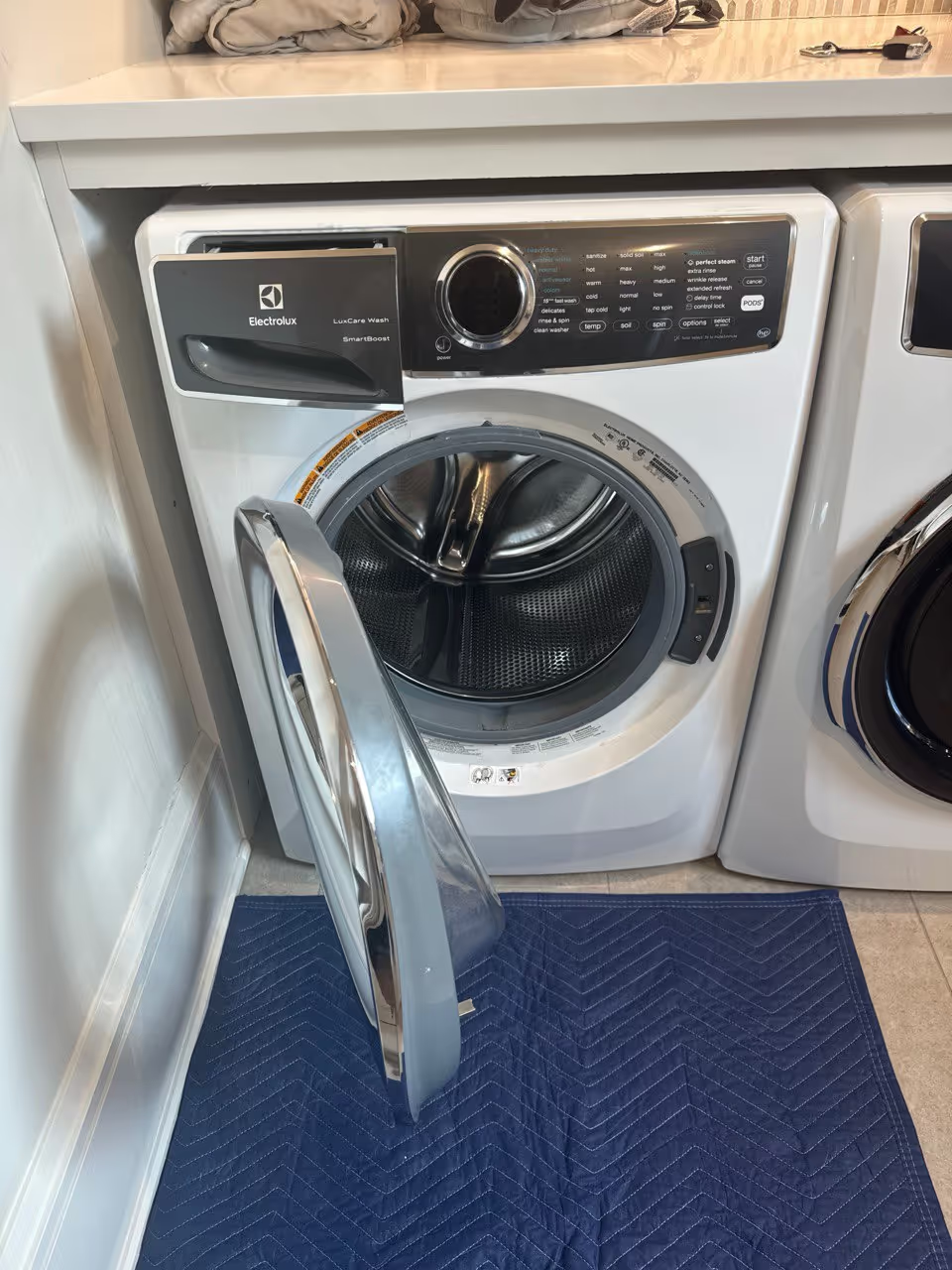
Front-load washers often develop mold and mildew around the door gasket. Wipe it with vinegar or a mild cleaner to remove moisture, detergent buildup, and trapped debris.
Leave the door slightly open after use
Allowing air circulation helps prevent mold growth and lingering odors inside the drum.
4. Prevent leaks and water damage
Inspect the water inlet hoses
Check hot and cold water hoses for cracks, bulges, or loose connections. Rubber hoses should be replaced every 3–5 years. Stainless steel braided hoses last longer and offer better protection.
Check for small drips
Moisture around the connections or the back of the washer may signal early hose failure.
If you notice water under the washer, stop using the appliance and call a professional immediately.
5. Support smooth, quiet operation
Level the washer
An unbalanced washer can shake violently, make loud banging sounds, and damage the drum or motor over time. Adjust all four feet until the washer sits evenly on the floor.
Avoid overloading the drum
Heavy loads strain the motor and suspension system. Follow the capacity guidelines to prevent premature wear.
6. Maintain strong performance
Use the right detergent (especially for HE washers)
Too much detergent causes excessive suds, residue, and foul odors. Always measure detergent according to load size.
Run a hot cycle periodically
Hot water helps dissolve grease, laundry residue, and bacteria that cause odors.
How often to service your washer
Every 6–12 months
Regular washer maintenance prevents odors, drainage issues, mold growth, and early wear on key components. A yearly professional check can help ensure your washer stays balanced, leak-free, and running efficiently for many years.
Pro tips to keep your washer running smoothly
A few simple habits can help prevent common problems and keep your washer in top shape.
- Leave the door open between loads to prevent mold and odors.
- Wipe the rubber gasket weekly to remove moisture and residue.
- Use only the recommended amount of detergent — too much causes buildup.
- Remove pocket items before washing to avoid clogging the filter.
- Run a monthly cleaning cycle to keep the drum fresh and odor-free.

.svg)