.webp)

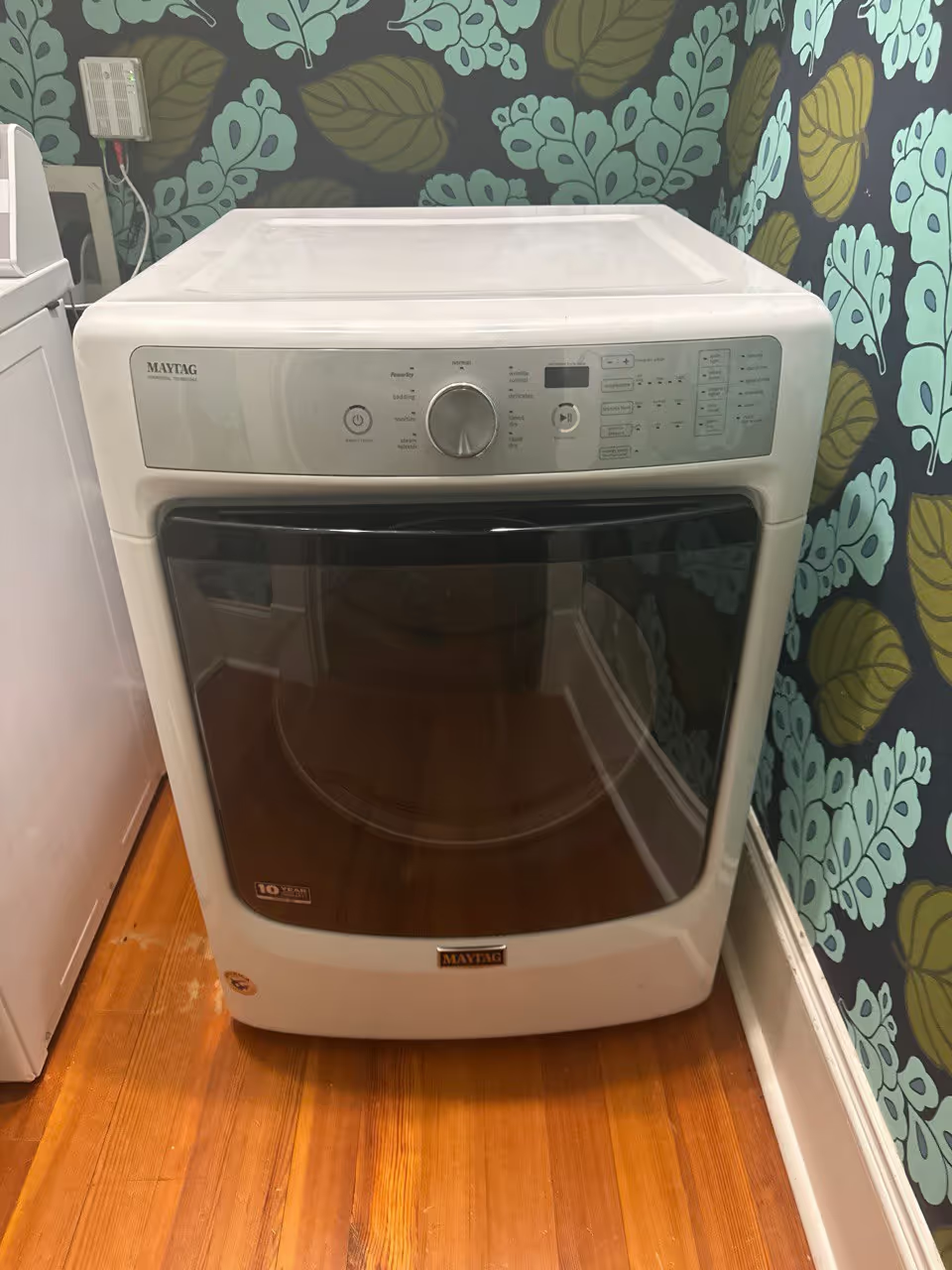
Why Regular Dryer Maintenance Matters
Your dryer produces high heat and constant airflow, which means lint, dust, and moisture build up quickly inside the machine and the vent duct. Without routine maintenance, this buildup can lead to long drying times, burnt smells, overheating, noisy operation, worn components, or even fire hazards. Simple at-home care keeps your dryer safe, efficient, and reliable.
This guide explains how to maintain your dryer properly — and when it’s best to call a professional.
This maintenance guide is suitable for all major dryer types:
- Gas dryers
- Electric dryers
- Vented dryers
- Condenser dryers
- Heat pump dryers
- Stackable laundry units
- Compact and apartment-size dryers
- Smart dryers with sensors
How to Maintain Your Dryer Safely
Follow these dryer maintenance steps to improve airflow, shorten drying times, prevent overheating, and keep your laundry routine safe and efficient.
1. Control lint buildup
Clean the lint screen after every load
Removing lint every time you use the dryer improves airflow, prevents overheating, and keeps your dryer running efficiently.
Wash the lint screen regularly
Residue from dryer sheets and softener can block airflow. Wash the filter with warm soapy water every few weeks.
2. Keep the vent system clear
Inspect the vent hose
Ensure the hose is not crushed, kinked, or clogged. Restricted ventilation dramatically increases fire risk.
Check the exterior vent hood
Go outside while the dryer runs to confirm strong airflow and a freely opening vent flap.
Schedule deep vent cleaning
Professional vent cleaning every 1–2 years prevents dangerous lint buildup along the duct line.
3. Protect the drum and internal components
Clean the inside of the drum
Wipe the drum to remove residue from dryer sheets, fabric softeners, or melted items.
Check the drum seals
Worn or loose seals can cause heat loss, noise, and clothing damage.
4. Special maintenance for gas dryers
Watch for burner or ignition issues
Slow heating, unusual smells, or ignition problems may indicate burner or valve issues.
Leave gas work to professionals
Gas leaks and combustion issues must always be handled by licensed technicians.
5. Special maintenance for electric dryers
Inspect the power cord and outlet
Look for fraying, overheating, or discoloration on the cord or outlet.
Pay attention to heat cycles
If the dryer stays cold or overheats, the heating element or thermostat may be failing.
6. Support smooth, quiet operation
Listen for unusual noises
Squeaking, thumping, or grinding can indicate worn rollers, a loose belt, or motor issues.
Avoid overloading
Heavy loads strain the motor, belt, and drum, increasing the risk of breakdowns.
How often to service your dryer
Every 6–12 months
Regular dryer maintenance prevents overheating, reduces lint buildup, and keeps your dryer efficient. Clean the lint filter every load, clear the vent system every 6–12 months, and schedule a full professional inspection once a year — especially for gas dryers or daily use.
Pro tips to keep your dryer running safely
These simple habits help extend the life of your dryer and keep your home safe.
- Never run the dryer when you’re asleep or away from home.
- Shake out heavy or bulky items to improve airflow.
- Clean lint around the door opening weekly.
- Replace plastic vent hoses with rigid metal ducting.
- Use proper heat settings for each load.
- Stop the dryer immediately if you smell something burning.

.svg)