.webp)

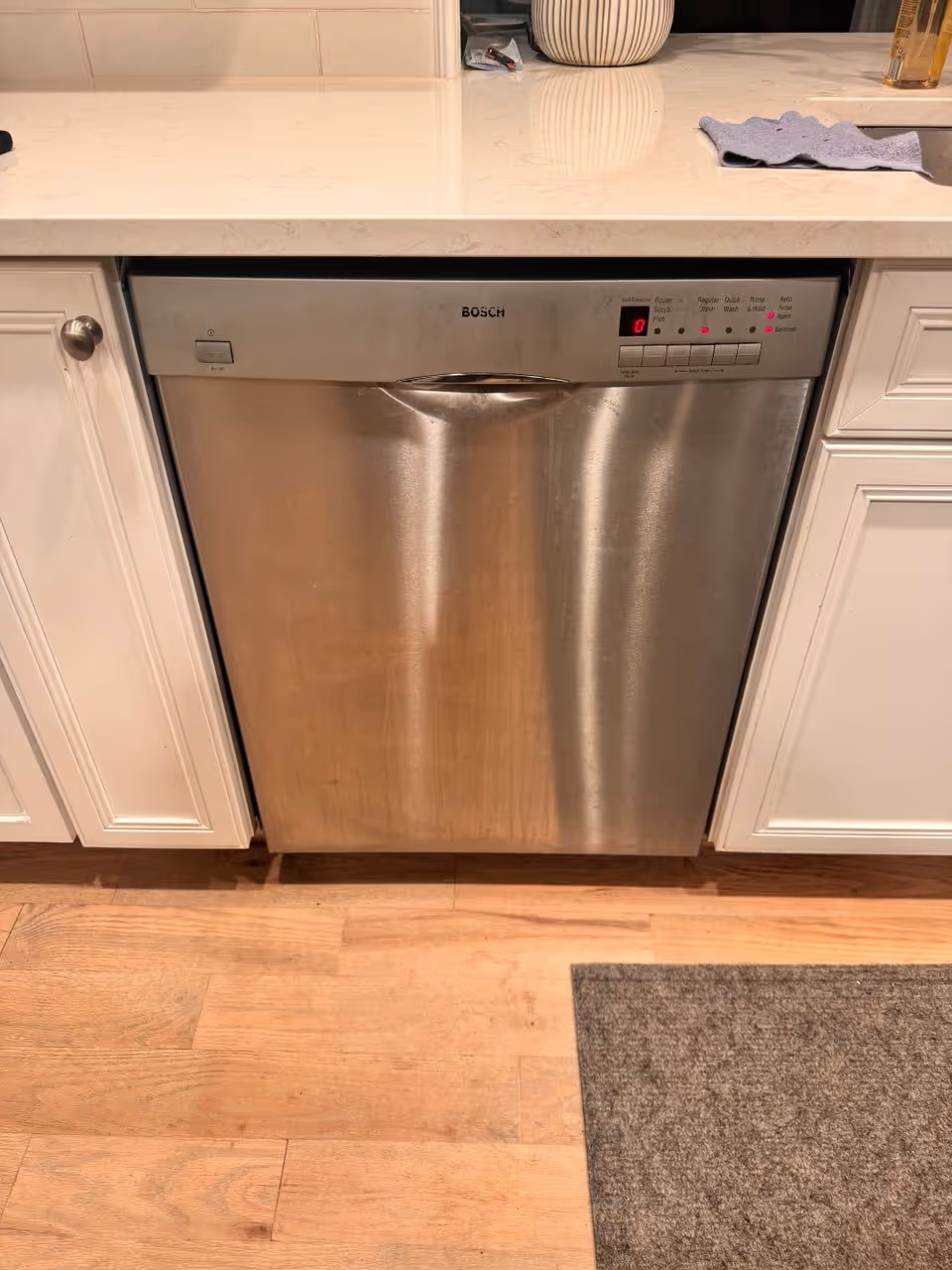
Why Regular Dishwasher Maintenance Matters
Your dishwasher handles grease, food debris, minerals, and heat every day. Without routine care, it can develop unpleasant odors, clogged spray arms, slow drainage, cloudy dishes, water leaks, and even pump or heating element failures. A few simple maintenance steps help your dishwasher clean better, run quietly, and avoid costly repairs.
This guide explains how to maintain your dishwasher properly — and when it’s best to call a professional for help.
This maintenance guide is suitable for all major dishwasher types:
- Built-in dishwashers
- Top-control dishwashers
- Front-control dishwashers
- Stainless-steel tub dishwashers
- Plastic-tub dishwashers
- Compact and apartment-size dishwashers
- Drawer-style dishwashers (single or double drawer)
- Portable and countertop dishwashers
- Smart dishwashers with app controls
How to Maintain Your Dishwasher
1. Keep the Filter and Drain Area Clean
Clean the Dishwasher Filter (Every 2–4 Weeks)
The filter captures food particles and prevents them from recirculating. When clogged, your dishwasher may leave dishes dirty, smell bad, or drain slowly. Remove the filter, rinse it under warm water, and scrub gently with a soft brush.
Check the Drain Area
Food debris and labels can accumulate around the drain, restricting water flow. A quick monthly check prevents clogs, odors, and standing water in the bottom of your dishwasher.
2. Ensure Spray Arms Are Working Properly
Unclog Spray Arm Holes
Mineral deposits can block the tiny water holes in the spray arms. Use a toothpick or soft brush to remove buildup and restore strong, even water pressure.
Inspect for Cracks
Damaged spray arms can cause poor cleaning and over-spraying. If you notice cracks or loose fittings, replace the spray arm promptly.
3. Maintain the Door Gasket and Interior
Clean the Rubber Door Seal
Grease and mildew can build up on the door gasket, leading to odors and leaks. Wipe it with warm soapy water and dry thoroughly once a month.
Run a Cleaning Cycle
Use a dishwasher cleaning tablet or cup of vinegar in an empty cycle. This removes mineral scale, grease, and detergent buildup inside the machine.
4. Keep Water Flow and Heating Efficient
Check for Hard Water Buildup
Mineral deposits reduce cleaning power and leave spots on dishes. If you have hard water, use dishwasher salt or a rinse aid regularly.
Verify Heating Element Function
If dishes remain wet or greasy, the heating element may not be working correctly. This requires a professional inspection.
How Often to Service Your Dishwasher
Every 6–12 months
Routine dishwasher maintenance prevents clogs, improves cleaning performance, reduces odors, and keeps pumps and spray systems running efficiently. A yearly check-up also helps identify early signs of wear such as failing sensors, slow drainage, and heating problems before they turn into expensive repairs.
Pro Tips for a Cleaner, Longer-Lasting Dishwasher
These simple habits help your dishwasher run better, reduce mineral buildup, and keep your dishes cleaner with every cycle.
- Scrape (but don’t pre-rinse) dishes — modern dishwashers clean better with light soil present.
- Use high-quality detergent and rinse aid, especially in hard water areas.
- Load dishes properly so spray arms can rotate freely.
- Run hot water at the sink before starting the dishwasher for better cleaning results.
- Leave the door slightly open after cycles to prevent mold and odors.
- Avoid overloading — this restricts water flow and creates cloudy dishes.

.svg)