.webp)

Why Regular Oven & Range Maintenance Matters
Your oven and range work every single day — heating, baking, broiling, simmering, and handling constant temperature changes. Without routine maintenance, parts can wear down, heat can become uneven, and your appliance may start producing odors, smoke, or even create fire risks. Simple at-home care helps keep your cooking equipment safe, efficient, and reliable.
This guide explains how to maintain your oven and range properly — and when it’s best to call a professional for help.
This guide is suitable for all major oven & range types:
- Gas ovens and gas ranges
- Electric ovens and electric ranges
- Convection ovens
- Double-wall ovens
- Freestanding and slide-in ranges
- Induction cooktops and ranges
- Glass and ceramic cooktops
- Smart ovens with digital controls
How to Maintain Your Oven & Range
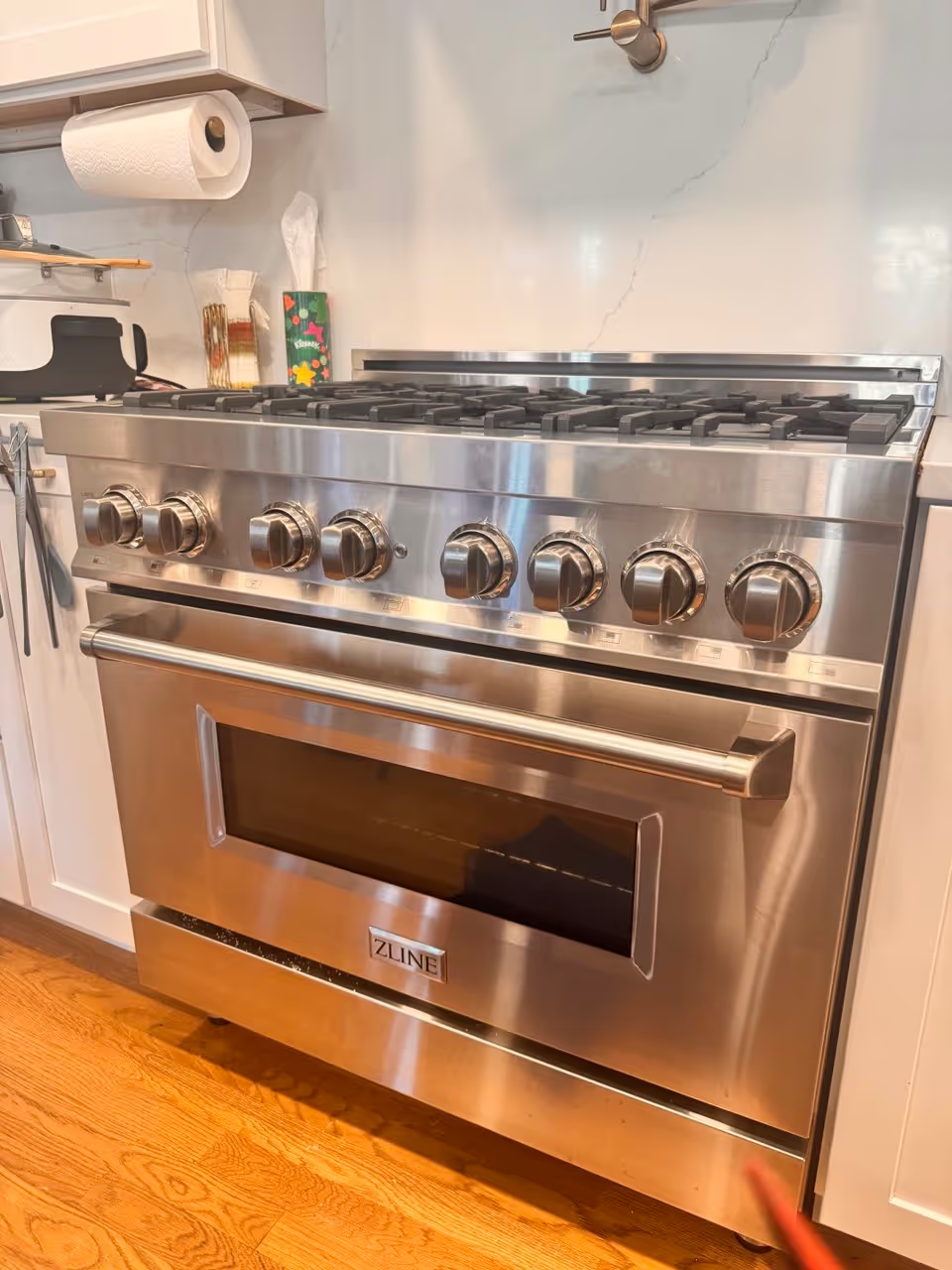
1. Keep burners, elements, and igniters clean
Clean gas burners and igniters
Food spills and grease can block burner ports, causing weak flames, delayed ignition, or clicking sounds. Regular cleaning ensures proper combustion and helps maintain safe operation.
Care for electric coils or glass tops
Electric coils can burn out from residue buildup, while glass tops can develop burn rings or scorch marks. Wipe spills quickly and use cooktop-safe cleaners to protect the surface and keep heat distribution even.
2. Maintain the oven interior for even heating
Wipe spills before they bake on
When food drips and bakes onto the interior, it causes smoke, odors, and heating inconsistencies. Cleaning spills early prevents long-term staining and improves oven performance.
Deep clean safely
If you use the self-cleaning feature, follow the manufacturer’s instructions and ensure good ventilation. Misuse can damage temperature sensors or glass doors. Oven-safe cleaners are a good alternative for regular care.
3. Inspect door seals, racks, and temperature accuracy
Check the oven door gasket
A worn-out gasket allows heat to escape, forcing the oven to overwork and cook unevenly. Look for cracking, flattening, or tears and replace the gasket if needed.
Test your oven’s temperature
Oven thermostats naturally drift over time. Use a standalone oven thermometer to verify accuracy — especially if your recipes suddenly start underbaking or overbaking.
4. Maintain proper ventilation
Clean range hood filters
Filters filled with grease reduce airflow and can increase the risk of kitchen fires. Clean metal filters monthly and replace charcoal filters as recommended by the manufacturer.
Check exhaust airflow
If you notice weak ventilation or lingering cooking odors, your hood or duct may need inspection to ensure proper airflow and safe removal of smoke and fumes.
How Often to Service Your Oven & Range
Every 6–12 months
Routine oven and range maintenance keeps your appliance heating accurately, prevents fire risks from grease buildup, and extends the life of components such as igniters, sensors, and burners. A yearly professional check-up can catch worn parts early, improve cooking performance, and reduce the chance of unexpected breakdowns.
Pro Tips for Better Oven & Range Care
Regular at-home care helps prevent costly repairs and keeps your oven and range performing at their best. These simple habits can make a noticeable difference in daily cooking performance and safety.
- Use a drip tray or baking sheet under dishes that are likely to bubble over.
- Avoid using foil directly on the oven bottom — it restricts airflow and may damage the finish or heating elements.
- Never use abrasive pads on glass cooktops; they scratch the surface and make future cleaning harder.
- Pay attention to changes in flame size or color on gas burners — yellow flames can indicate a combustion or air-flow issue.
- If food starts cooking unevenly, test the oven temperature and consider professional calibration.
- Let the oven cool before wiping, but don’t wait days — fresh spills are always easier to remove.

.svg)