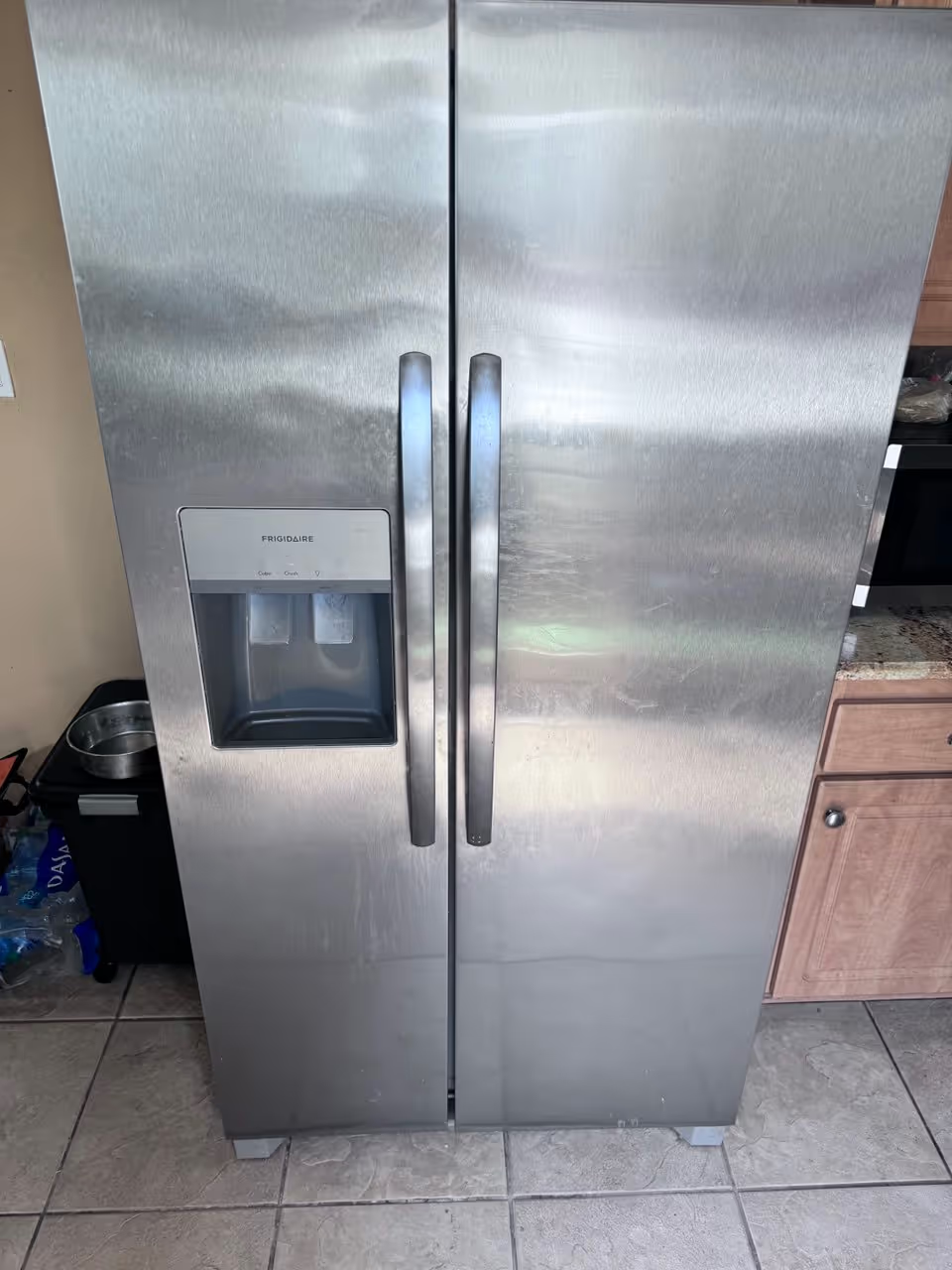
Extend the Life of Your Refrigerator with Proper Maintenance

A well-maintained refrigerator keeps your food fresh, runs more efficiently, and lasts years longer. Follow these simple maintenance steps to protect your appliance and prevent common cooling issues.
Book Service
appliance technician provide refrigerator maintenance

Why Regular Refrigerator Maintenance Matters

Your refrigerator runs 24/7 to keep your food cold, and without consistent maintenance, dust, debris, and worn components can cause temperature problems, higher energy bills, leaks, strange noises, or even complete breakdowns. Simple routine care helps keep your fridge efficient, prevents major repairs, and extends the life of the compressor, which is the most expensive part to replace.

This guide explains how to properly maintain your refrigerator at home, and when it’s best to call a professional for help.

This maintenance guide is suitable for all major refrigerator types:

  • French-door refrigerators
  • Side-by-side refrigerators
  • Top-freezer and bottom-freezer refrigerators
  • Counter-depth and built-in models
  • Single-door and compact refrigerators
  • Units with or without ice makers and water dispensers

Whether you own a basic model or a high-end system, following these maintenance steps will help your refrigerator run smoothly and reliably year-round.

How to Maintain Your Refrigerator

Follow these simple steps to keep your refrigerator cooling properly and running efficiently year-round.

1. Keep the Cooling System Clean

Clean the Condenser Coils (Every 6 Months)

Dust and debris on the coils cause your refrigerator to work harder, leading to higher energy bills and overheating. Use a vacuum and coil brush to gently remove buildup around the coils behind or beneath the refrigerator.

If the coils are extremely dirty or hard to reach, schedule a professional cleaning.

Listen to the Fans

The evaporator and condenser fans should run smoothly and quietly. If you hear rattling, clicking, or unusually loud humming, airflow may be restricted.

Unusual noises may signal early component failure — have a technician inspect it.

2. Protect the Door Seals

Clean the Rubber Gaskets

Wipe the door seals regularly with warm soapy water to remove crumbs, sticky spills, and mold. Clean seals help keep cold air inside.

Test the Seal Strength

Close a thin piece of paper in the door and try pulling it out. If it slides out easily, the gasket may be worn.

Damaged or stretched door seals should be replaced professionally.

3. Keep Temperatures Accurate

Set the Right Temperatures

- Refrigerator: 37°F
- Freezer: 0°F

Proper temperature helps food stay fresh longer and reduces compressor strain.

Watch for Temperature Swings

If food spoils fast or the refrigerator feels warmer than usual, the thermostat or control board may need attention.

Sudden temperature changes should be checked by a professional.

4. Prevent Leaks and Drain Issues

Clear the Defrost Drain

A clogged drain line can cause water puddles inside the fridge or under the drawers. Flush the drain hole with warm water to remove simple blockages.

Persistent leaks often indicate a defrost system issue — schedule service.

5. Maintain Ice and Water Flow

Replace Water Filters Every 6 Months

Old filters can cause poor-tasting ice, slow water flow, and mineral buildup.

Inspect Water Lines

Check behind the fridge for kinks or small leaks around the water line connection.

If ice production slows down or stops completely, let a technician diagnose it.

6. Clean the Interior Regularly

Wipe Shelves and Drawers Weekly

Clean surfaces reduce odors and maintain food safety.

Use a Deodorizer

Place baking soda or a fridge deodorizer to help control odors and moisture.

7. Check Overall Performance

Pay Attention to Sounds

Loud buzzing, knocking, or clicking are signs that internal components may be wearing out.

Make Sure the Refrigerator Is Level

A level refrigerator allows doors to close properly and prevents compressor strain.

If the doors don’t seal smoothly or you see frost forming around the freezer door, professional adjustment is recommended.

How often to service your refrigerator


Every 6–12 months

Regular refrigerator maintenance prevents temperature problems, stops leaks before they start, keeps energy usage low, and extends the life of your cooling system. A yearly check-up also helps identify early signs of component wear before they become expensive repairs.

Pro Tips to Keep Your Refrigerator Running Smoothly


Regular, simple care can make a big difference in how efficiently your refrigerator runs. These easy habits help you maintain proper cooling, reduce energy use, and prevent early wear on important components.

  • Keep 2–3 inches of space behind and around the fridge for better airflow.
  • Replace your water filter every 6 months to maintain clean water and clear ice.
  • Avoid overpacking shelves — proper air circulation keeps temperatures stable.
  • Wipe spills quickly to prevent odors and bacteria from spreading.
  • Check door seals monthly to make sure they close tightly and don’t let cold air escape.

Refrigerator Maintenance FAQs

How often should I clean the coils on my refrigerator?
Refrigerator condenser coils should be cleaned every 6–12 months, depending on how dusty your home is and whether you have pets. Dust and pet hair trap heat, forcing the compressor to work harder and shortening its lifespan. Homes with multiple pets or high dust buildup may need coil cleaning more often. If you notice your fridge running louder than usual or not cooling well, dirty coils are often the cause.
Why is my refrigerator running but not cooling properly?
Poor cooling is usually caused by dirty coils, blocked air vents, a failing evaporator fan, incorrect temperature settings, or a clogged defrost drain. Make sure nothing blocks the back vents inside the fridge and that the temperature is set to 37°F. If the interior still feels warm or food spoils quickly, a technician should inspect the fan, control board, or sealed system.
How do I know if my refrigerator door seal is bad?
A worn door seal lets cold air escape, causing warm spots and higher energy bills. Signs of a bad seal include: condensation or frost around the door the door not closing smoothly cracking or warping in the gasket You can also try the “paper test”: close a sheet of paper in the door and pull. If it slides out easily, the gasket needs to be cleaned or replaced.
Why does my refrigerator make loud noises?
A refrigerator normally produces a gentle humming sound, but loud buzzing, clicking, rattling, or knocking noises can indicate a problem. These sounds are often caused by a failing evaporator fan, ice buildup around the freezer fan, a dirty or obstructed condenser fan, or loose components. Grinding or clicking noises can also point to issues with the compressor. Because noises often reflect mechanical wear, unusual sounds should be checked by a technician as soon as possible before they cause further damage.
Why is there water at the bottom of my refrigerator?
Water inside a refrigerator usually means the defrost drain is clogged or frozen. When warm defrost water cannot flow down the drain tube, it backs up and forms puddles under the drawers or at the bottom of the fridge. You can try flushing the drain with warm water to clear minor blockages. However, if the leak returns repeatedly, the problem may involve the drain heater, thermostat, or the defrost cycle itself. These components typically require professional repair.
How often should I replace the refrigerator water filter?
Most refrigerator water filters should be replaced every six months to maintain proper water flow, reduce mineral buildup, and keep water and ice tasting clean. Over time, the filter becomes clogged with impurities, which can reduce dispenser pressure and affect ice production. If the water tastes unusual, if the ice is cloudy, or if the dispenser pressure drops, the filter is likely overdue for replacement.
Why does my refrigerator smell bad even after cleaning?
Persistent odors inside a refrigerator usually come from hidden spills, moisture trapped under drawers, spoiled food particles behind shelves, or bacteria inside the drain system. Even after wiping the visible surfaces, odors can linger if the interior compartments aren’t fully removed and cleaned. Sometimes the drain tube collects debris or develops mold, which creates a lingering smell. If a deep clean and deodorizer don’t eliminate the odor, the issue may be inside the insulation or drain system and may need professional attention.
When should I call a professional for refrigerator maintenance?
It’s best to call a technician when you notice warm spots, frequent temperature fluctuations, ice buildup, slow or no ice production, unusual noises, water leaks, or if the fridge is constantly running. These issues often indicate problems with components such as the evaporator fan, control board, thermostat, compressor, or defrost system — parts that require professional tools and expertise. Early service prevents costly breakdowns and helps extend the life of your refrigerator.

Need Help With Your Refrigerator Maintenance?


If you’re not comfortable completing any of the steps above — or if you’ve noticed leaks, warm spots, unusual noises, or reduced ice production — it’s best to let a professional take a look. Our licensed technicians can diagnose issues quickly and make sure your refrigerator continues to run safely and efficiently.

Book Online
(980) 306-2809
Available 7 Days a Week
Free Service Call with Repair
Licensed and Insured
Pet-friendly technicians