.webp)

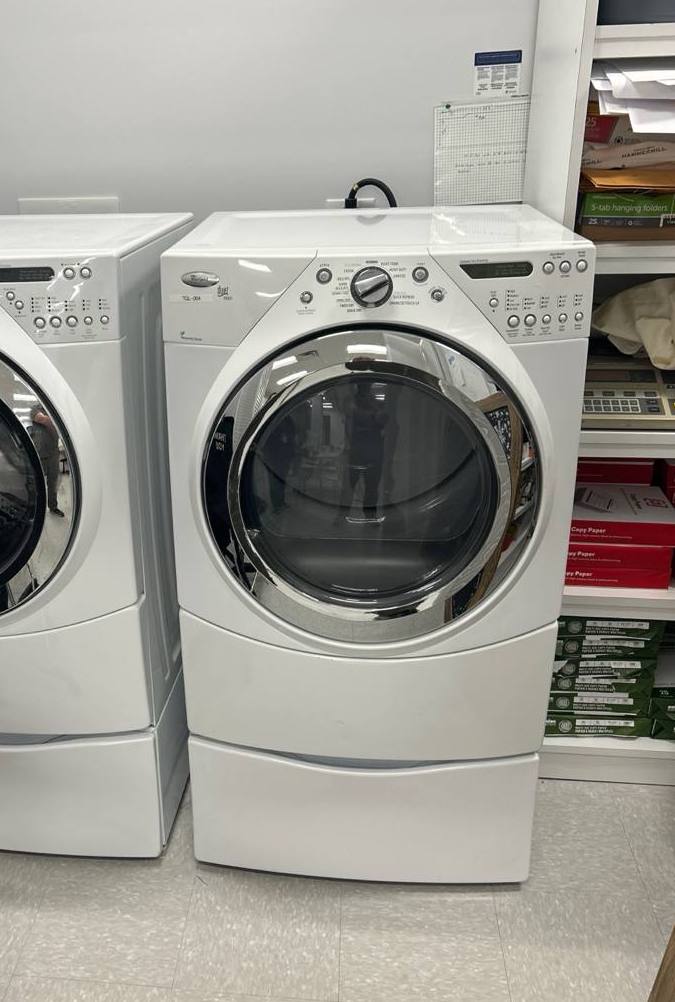
A front-load washer that shakes violently, walks across the floor, or makes loud banging noises during the spin cycle is not only annoying; it can also damage your flooring, loosen connections, and shorten the machine's life. The good news is that most vibration issues have a clear cause and simple solution. This guide explains the most common reasons why a front load washer shakes during the spin cycle, as well as what to look for first.
Does This Information Apply to Your Washer?
This article focuses on 27-inch front-loading washers from Whirlpool, Maytag, Amana, and Inglis. If you own one of these brands and your washer shakes or vibrates more than it should during the spin cycle, the following are the most likely causes.
What Causes a Front Load Washer to Vibrate and Shake?
1. Shipping Bolts Were Never Removed
Front load washers come with metal bolts installed in the back of the machine. These bolts secure the drum in place to keep it safe during transportation. If they are not removed before the washer is used, the machine will vibrate violently whenever it spins.
Quick check: Look at the back of the washer. You should see three or four large bolts or plugs, usually with a warning label nearby. If they are still there, remove them and replace them with the plastic caps that came in the box. This is one of the most common causes of vibration in a newer washer.
2. The Washer Is Not Level
A washer that is not level on the floor will rock and vibrate during the spin cycle. The heavier the load, the worse the shaking becomes.
Quick fix: Place a level on top of the machine and check from side to side and front to back. The front feet of most front-load washers can be adjusted by hand or with a wrench. Many models' rear feet are self-adjusting; simply tipping the machine forward and setting it back down will allow them to settle into position. Once the machine is level, check that all four feet are firmly in contact with the floor and tighten the lock nuts on the feet.
3. The Floor Surface Is Unstable
Even a perfectly leveled washer can vibrate if it is placed on a flexible surface. Raised wood floors and upper-floor laundry rooms are especially vulnerable to this. The floor itself amplifies the vibration rather than absorbing it.
Quick fix: Anti-vibration pads under all four feet can make a big difference. These rubber pads absorb movement and reduce noise. They are inexpensive and readily available in most hardware stores.
4. Washer Is on a Pedestal That Is Not Secured Properly
Many front-load washers are mounted on a matching pedestal to increase door height. If the washer is not fully locked onto the pedestal, or if the pedestal is not securely fastened to the floor, vibration during the spin cycle can be intense.
Quick check: Make sure the washer is seated and clicked into the mounting points on the pedestal. Check to ensure that the pedestal feet are making solid contact with the floor and are level. If the pedestal has anchor points for securing it to the floor, use them.
5. Unbalanced or Overloaded Drum
A single heavy item, such as a comforter, jeans, or a large towel, may clump to one side of the drum during the spin cycle. The washer attempts to compensate, but if the load is excessively uneven, vibration becomes unavoidable.
Quick fix: When washing large or heavy items, mix in a few smaller items to help distribute the weight. Avoid overloading the drum; front load washers should not be completely full. If the washer shakes in the middle of a cycle, pause it, redistribute the load manually, and restart.
6. Worn or Broken Suspension Springs
A set of suspension springs holds a front load washer's drum in place. These springs absorb movement throughout the spin cycle. Over time, they can stretch, weaken, or completely break.
When a spring fails, the drum moves more than expected, causing the cabinet to shake. The vibration is usually more severe at higher spin speeds and may be accompanied by a thumping or banging sound.
What to look for: If leveling the washer and balancing the load do not solve the problem, worn suspension springs are a likely cause. This repair requires opening the machine and is best handled by a technician.
7. Worn or Damaged Shock Absorbers (Dampers)
In addition to springs, front-load washers use shock absorbers (also known as dampers) to control drum movement. They function in the same way that car shock absorbers do, smoothing out vibration as the drum spins.
When dampers wear out or leak, they lose their effectiveness. The drum bounces more than it should, and the movement is transmitted directly to the cabinet.
What to look for: If your washer has always vibrated more than it used to, or if the shaking gets worse over time, dampers are a common culprit. A technician can test them and replace them if needed.
8. Control Board Needs to Be Replaced
If you've checked everything above—shipping bolts, leveling, pedestal, load balance, and inspected the machine for spring and damper wear—the issue could be with the appliance control unit (ACU). The ACU controls the spin rate and cycle timing. When it malfunctions, the washer may spin incorrectly, resulting in excessive vibration.
This is the least common cause and should be diagnosed last, after excluding all mechanical and installation causes listed above.
How to Fix a Front Load Washer That Is Vibrating
Work through this checklist in order:
- Remove shipping bolts from the back of the washer if they are still installed
- Level the washer using the adjustable front feet and self-adjusting rear feet
- Add anti-vibration pads under all four feet
- Make sure the washer is fully secured to the pedestal if one is being used
- Redistribute the load if it has clumped to one side
- Avoid overloading the drum
If the shaking persists after going through this list, it is most likely due to a worn internal component, such as suspension springs or shock absorbers, or a problem with the control board. These necessitate hands-on diagnostics and component replacement.
When Should You Call an Appliance Repair Technician?
If the vibration continues after the feet have been adjusted, the shipping bolts have been removed and the load balanced, it is time to have the machine inspected. Over time, using a washer with worn springs or dampers can damage the drum, bearings and cabinet.
Trusted Appliance Repair LLC serves Charlotte, Huntersville, and the surrounding area. We repair front load washers from all major brands, including Whirlpool, Maytag, Amana, and Inglis. If your washer is shaking more than it should, give us a call, and we will diagnose the problem and give you a clear estimate before any work begins.
Featured Articles
.svg)